


You’ve found your dream home that ticks all the boxes and you’re eager to sign the contract and close the sale. Here is a list of plumbing specific things you will want to check before making you purchase final. Most of these can be done with out the help of a professional. Some of these are straightforward fixes, some of them may lead you to negotiate on the price you pay for the house and some of them may have you reconsidering the purchase altogether.
Make Sure Shut-Off Valves Work
It’s vital that all shut-off valves work properly to isolate certain areas if needed. You should also ensure that the main shut-off valve functions correctly; you don’t want to face a serious plumbing problem in the future and be unable to turn off the supply.

Check the Meter
Make sure that the water meter is working correctly by turning off all water sources and watching the meter. If it moves, it could be an indication of a broken pipe or other fault in the plumbing system. Check there are no leaks around the meter too.
Look for Water Marks
Water stains could indicate a leak from the plumbing system. Always check the reason for any discoloration caused by water. You should also ensure there’s no mold or mildew, as these generally indicate a problem with damp, which could be caused by water leaks.
Particular areas to pay attention to include walls and floors around dishwashers, washing machines, refrigerators, toilets, shower cubicles and bathtubs. If the home has more than one level, look at the ceilings underneath bathrooms and laundry rooms to make sure there are no stains.
Feel the Flooring
Floors around fixtures should be firm with no soft or spongy areas. You can generally notice any issues when walking across a particular section of floor.
Go into the Basement
Don’t neglect checking basements and crawl spaces for any evidence of water leaks or damaged piping.
Check for Drips
Make sure that there are no drips coming from pipes or taps and be sure to check underneath sinks.
Ask about the Pipes
Ask how old the pipes are and if they have had any recent repairs. It’s also important to know what material the pipes are made from, as certain materials need regular replacement.
If an old home has lead pipes it’s almost certainly better to avoid living there as lead piping is toxic. Older homes may have galvanized piping, which should be replaced around every 30 years.
If the house was built between the beginning of the 70’s to the early 90’s there is a possibility that the house has Poly-B piping. If this is the case it will leak, which is the reason that it is not used any longer. The house will definitely need to be re-piped at some point. It is also essential that Poly-B be disclosed to your insurance company because some companies don’t cover you for leaks on Poly-B and some require a special rider on your insurance.
Find out the size of pipes too, as smaller pipes can affect water pressure.
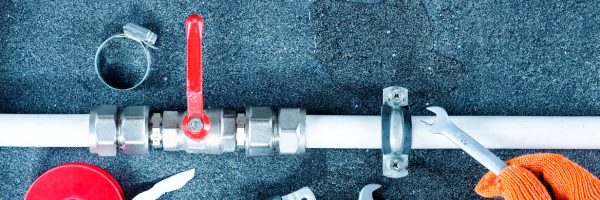
Inquire about the Water Heater
Ask about the age of the water heater and the date it was last serviced. If the property is old, make sure that the water heater complies with modern regulations.
Visually check the water heater for any signs of rust or corrosion, and make sure there are no leaks. Strange noises from the water heater are also cause for concern.
Flush Each Toilet
Go around the house and flush every toilet to check that they actually flush, drain correctly and don’t leak. Make sure that toilets drain quickly and fill correctly. There should be no sewer smells coming up through the toilets either. Check that toilets are securely fixed in place with no movement.
Find Out about Sewerage
Ask whether there is a main sewer line to a municipal waste system or whether the property has a septic tank. Follow up questions include when the main line was most recently serviced and when the septic tank was last emptied.
Have a Video Sewer Line Inspection
You’ll need a professional plumber to tick off this part of your checklist for plumbing. While not essential, it’s highly recommended that you check the sewer line for cracks, damage and other issues that you simply cannot see without a camera.
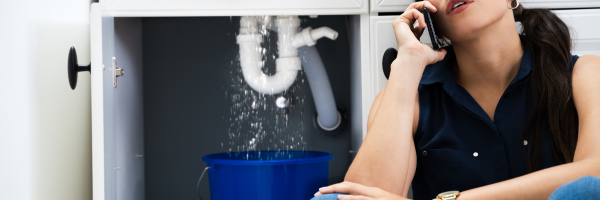
Turn On Every Water Supply
Make your way around the house and check every water supply, including bathroom and kitchen sinks, showers, bathtubs and outdoor taps and hoses. Check each functions correctly with adequate pressure and no dripping when shut off. Make sure that both hot and cold supplies work.
You should also note the color of the water. Water should be clear and free from any debris.
Ensure that sinks are stable with no movement and that all fittings are secure.
Check Drainage
As you check taps and other water supplies, check that water drains away as it should. Sluggish drainage often indicates a clog somewhere in the pipes, though it may also mean a repair is necessary. Sometimes, poor drainage is due to incorrect installation.
Look at the Garden
Make sure that there are no patches of lawn that are particularly flourishing as compared with surrounding plants and grass. Lush patches that are especially green or areas of extra growth could indicate a sewer leak; sewerage provides additional nutrients for foliage.
Also make sure that no cracked paving or tiling is caused by a water or sewer leak.
While you are outside test all of the lawn service faucets, make sure they all turn on and maybe more importantly turn all the way off.

Inspect Downspouts and Rain Drains
Ensure that leaves, litter or other debris aren’t creating blockages in the rain drainage system, and that large tree roots aren’t obstructing the flow.
As you can see, running through a detailed new home plumbing checklist is essential before committing to buy a property.
This list may feel like a lot and we are happy to help. Give us a call in you are buying a house in Nanaimo or the surrounding area and we will come a take a look at the plumbing for you. While we are there we can also give any gas lines or gas appliances a quick look at as well.

June 7th, 2023