


Nestled amidst the picturesque landscapes of British Columbia, Vancouver Island is a place of breathtaking beauty, attracting residents and visitors alike. However, this natural paradise is not without its risks. From seismic activity to extreme weather events, the island faces a range of potential emergencies that require a well-prepared community. In this blog post, we will delve into the importance of emergency preparedness on Vancouver Island and provide a comprehensive guide on how to build resilience in the face of adversity.
Understanding the Risks
- Seismic Activity: Vancouver Island is situated within a seismically active region known as the Cascadia Subduction Zone. This geological phenomenon poses a significant risk of earthquakes and potential tsunamis.
- Wildfires: With its lush forests and dry summers, Vancouver Island is susceptible to wildfires. These can spread quickly, threatening communities and wildlife.
- Extreme Weather Events: The island is not immune to storms, heavy rainfall, and windstorms, which can lead to flooding, landslides, and power outages.
- Pandemic Preparedness: As demonstrated by the COVID-19 pandemic, it’s crucial to be prepared for health crises that can disrupt normalcy.

The Importance of Preparedness
- Protecting Lives and Property: Prompt response and preparedness measures can save lives and minimize damage to property during emergencies.
- Community Resilience: A prepared community is a resilient community. When individuals and families are equipped to handle emergencies, the entire community benefits.
- Reducing Strain on Emergency Services: When individuals and families are self-sufficient in the initial stages of an emergency, it allows first responders to focus on the most critical situations.
- Economic Stability: Preparedness efforts can safeguard businesses and local economies from the devastating effects of disasters.
Creating Your Emergency Preparedness Plan
- Assessing Risks: Understand the specific risks in your area. This includes natural disasters like earthquakes, wildfires, and floods, as well as other potential hazards.
- Building a Kit: Assemble an emergency kit with essential supplies, including water, non-perishable food, first-aid supplies, flashlights, and batteries. Customize it for your family’s unique needs. Continue reading for more information about what should be included in your emergency kit.
- Communication Plan: Establish a communication plan with family members and loved ones. Designate a meeting place and out-of-town contact person.
- Evacuation Routes: Familiarize yourself with local evacuation routes and have a plan for transportation, especially if you don’t have a personal vehicle.
- Securing Important Documents: Keep important documents like identification, insurance policies, and medical records in a waterproof container.
- Stay Informed: Sign up for emergency alerts and notifications through local agencies. Stay tuned to weather forecasts and community announcements.
- First Aid and Training: Take a basic first aid and CPR course. This knowledge can be invaluable in emergency situations.
- Practice and Review: Regularly review your plan and conduct drills with your family to ensure everyone knows what to do in case of an emergency.
Community Involvement
- Neighbourhood Preparedness Groups: Join or establish local preparedness groups to share knowledge, resources, and support with neighbours.
- Volunteer Opportunities: Explore opportunities to volunteer with organizations focused on disaster response and recovery.
- Advocacy and Education: Advocate for increased awareness and resources for emergency preparedness in your community.
Emergency preparedness is not just a choice; it’s a responsibility we owe to ourselves, our families, and our communities. Vancouver Island’s breathtaking beauty comes with the potential for natural disasters, making preparedness a paramount concern. By understanding the risks, creating a comprehensive plan, and involving our communities, we can build resilience and face any emergency with confidence. Remember, it’s not a matter of if, but when. Be prepared!
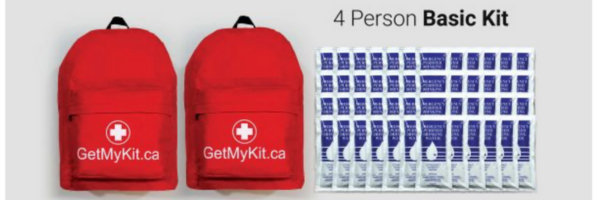
Your Emergency Kit
Acording to the Government of BC website here is a basic list of things that should be included in your families emergency kit.
- Non-perishable food: minimum three-day to one-week supply, with a manual can opener
- Water: four litres per person, per day for drinking and sanitation
- Phone charger, power bank or inverter
- Battery-powered or hand-crank radio
- Battery-powered or hand-crank flashlight
- Extra batteries
- First-aid kit and medications
- Personal toiletries and items, such as an extra pair of glasses or contact lenses
- Copy of your emergency plan
- Copies of important documents, such as insurance papers and identification
- Cash in small bills
- Garbage bags and moist towelettes for personal sanitation
- Seasonal clothing, sturdy footwear and emergency blanket
- Dust masks
- Whistle
- Help/OK sign: Display the appropriate side outward in your window during a disaster.
October 17th, 2023